
Hawk flying
Introduction to Hawk Flying and Optional Use of Drone Technology for Bird Control
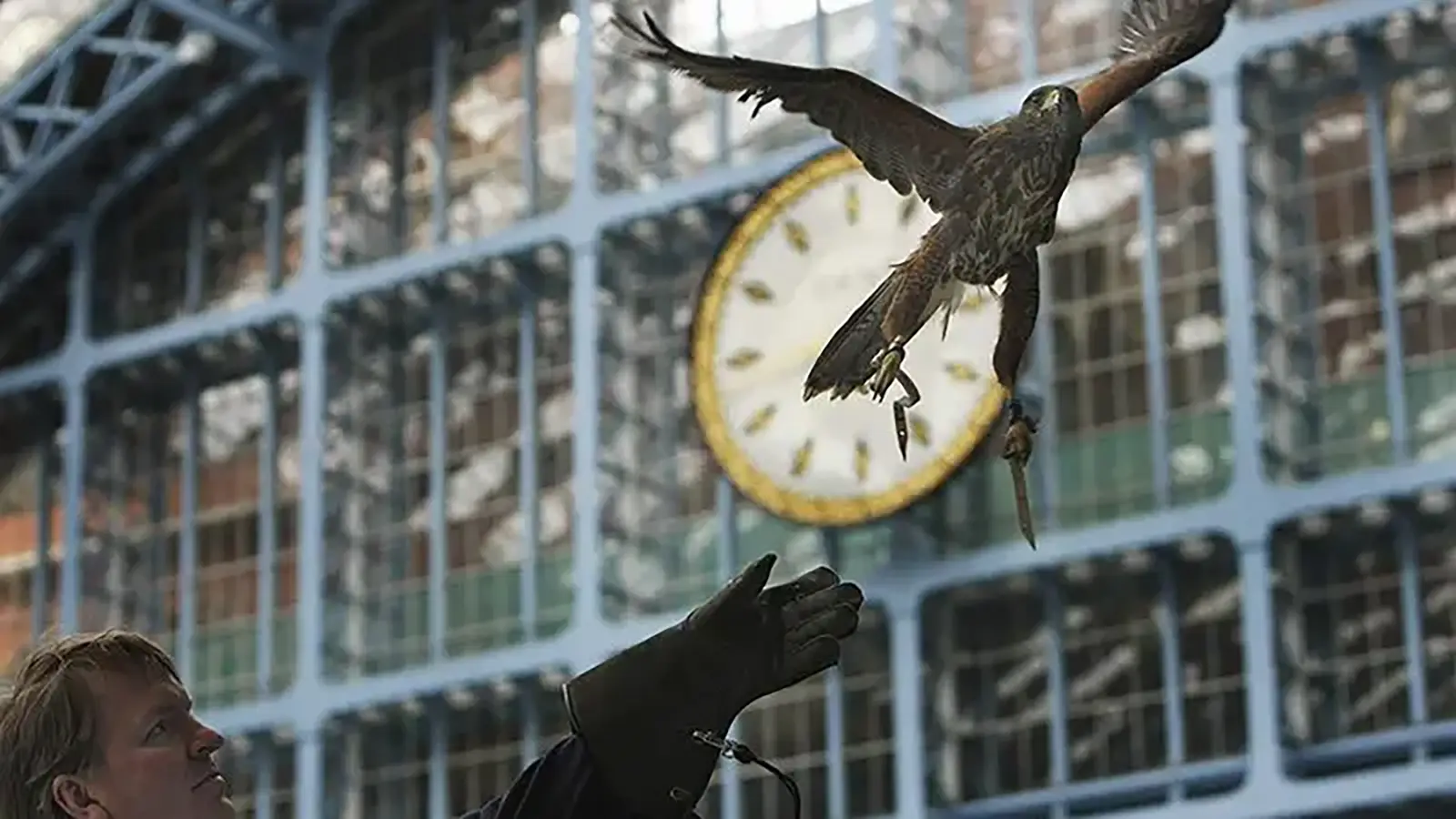
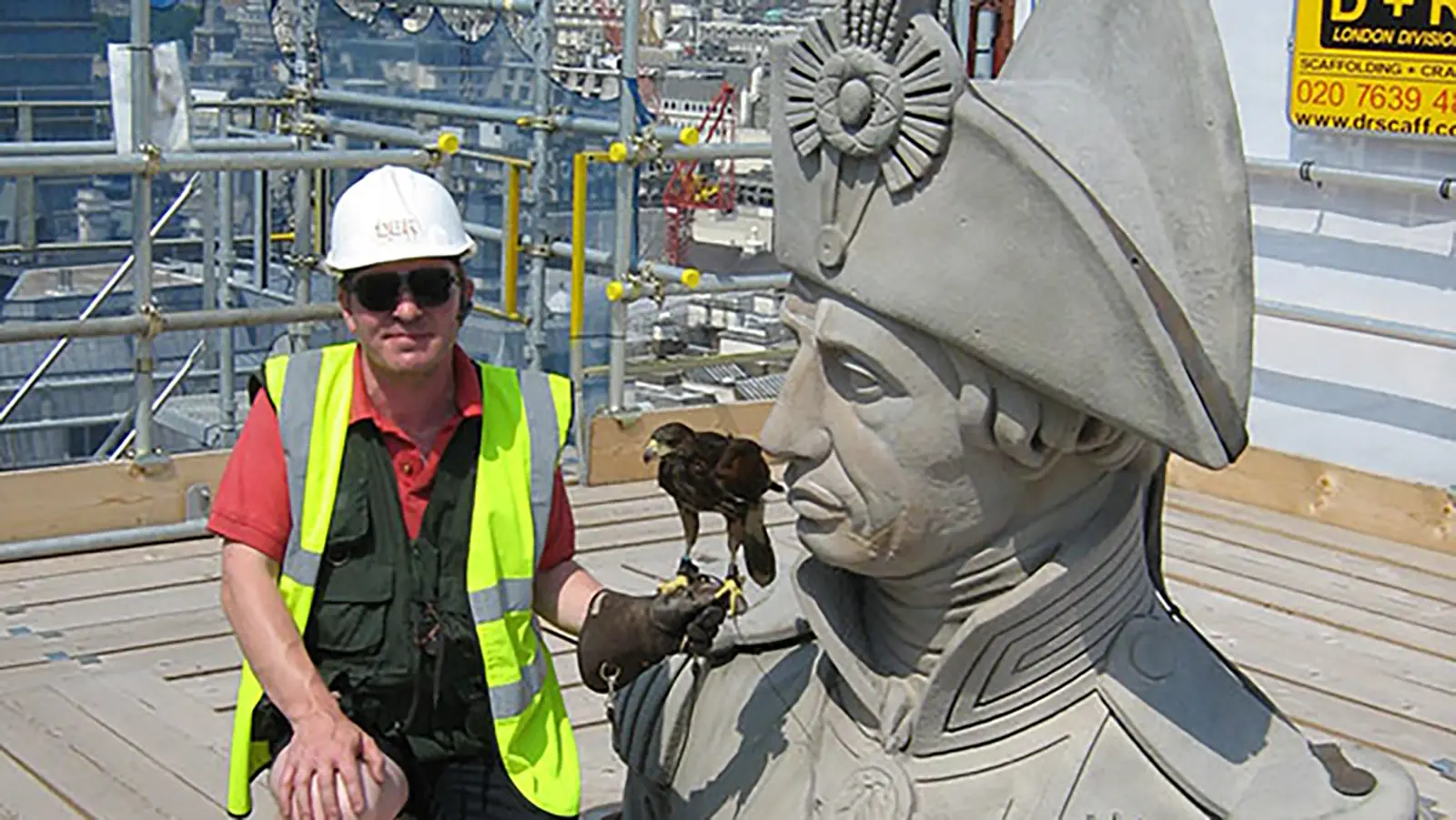
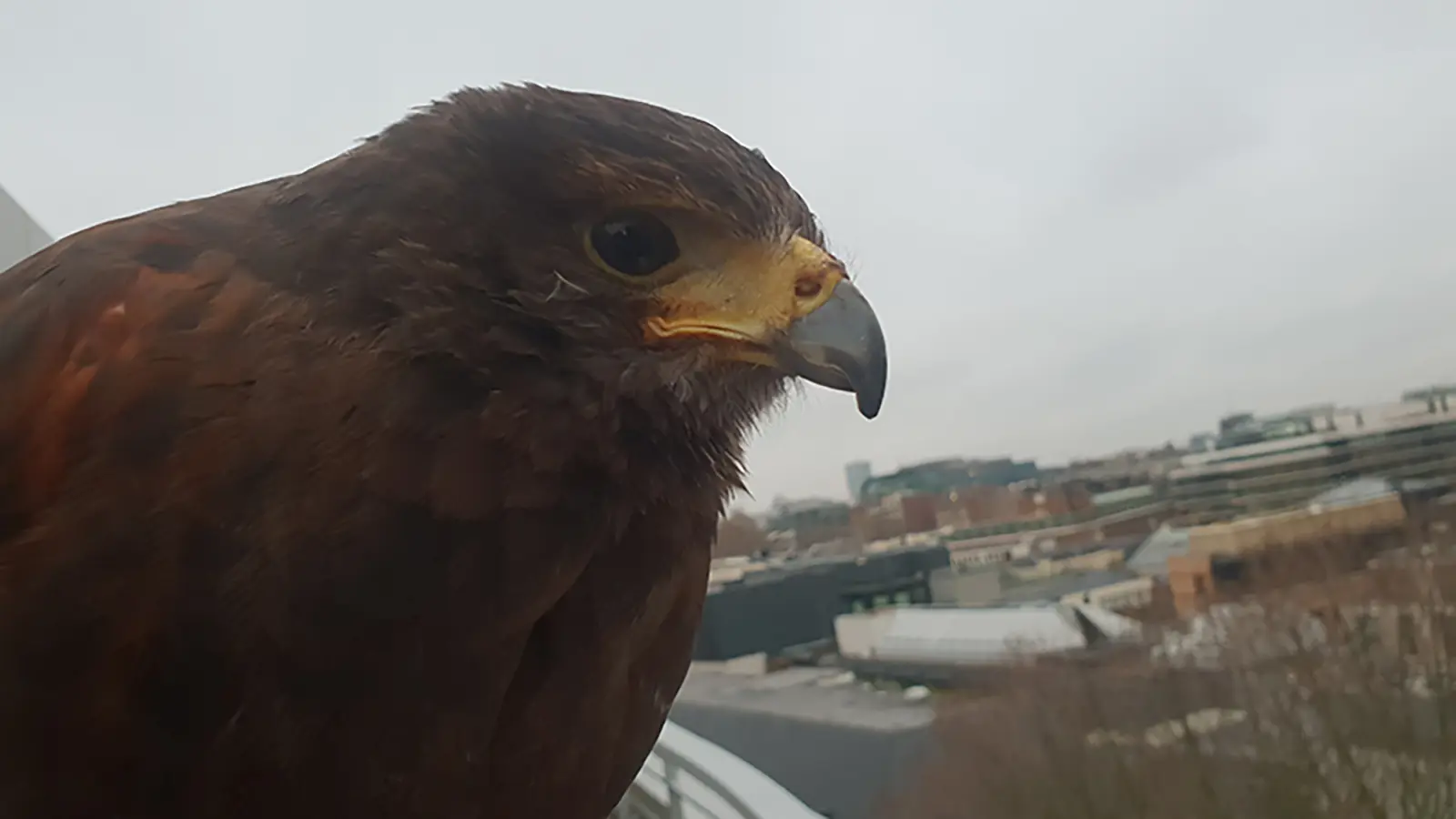
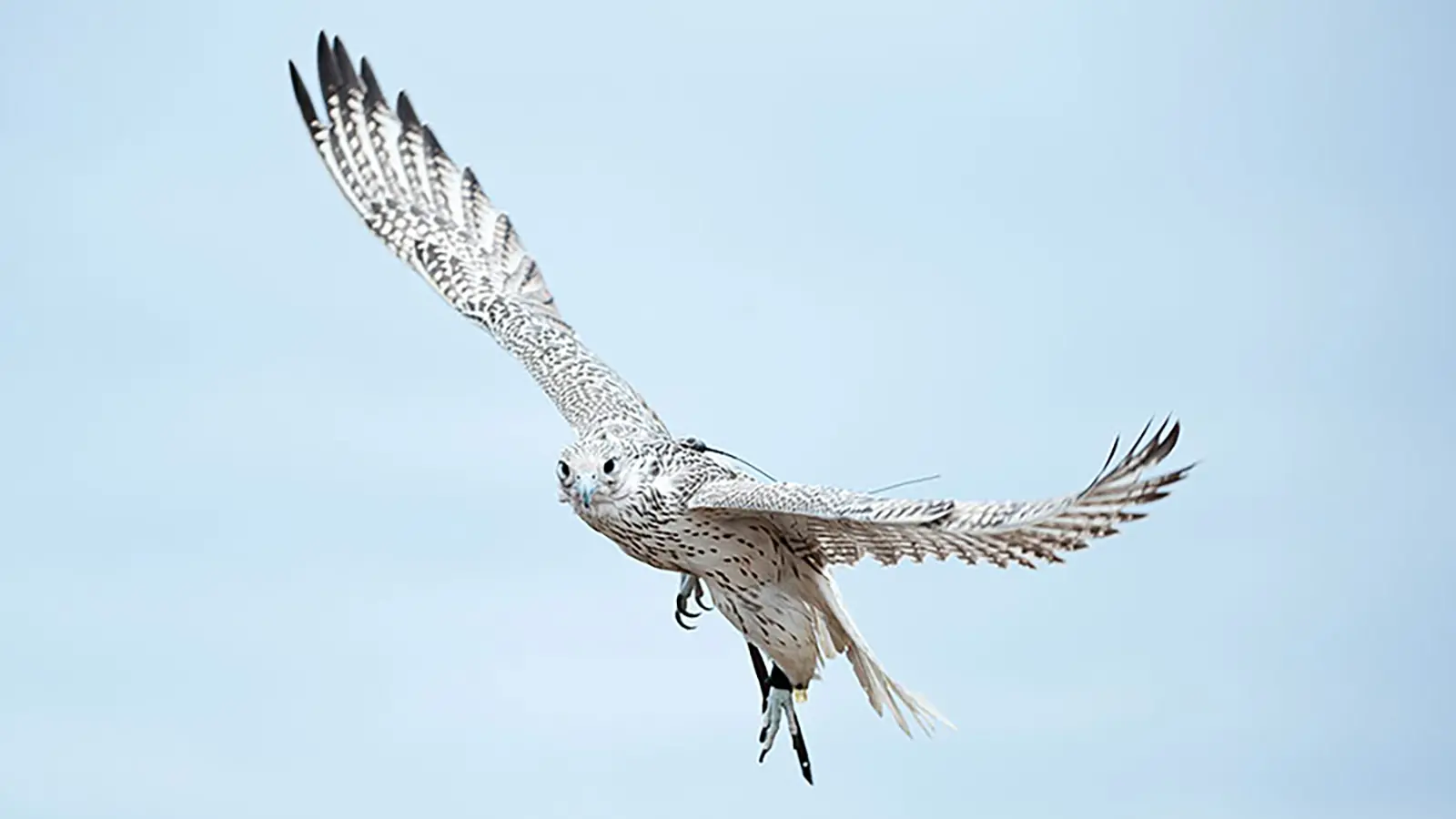
Hawk flying provides a humane, effective bird control solution. Complemented by drone technology, this approach protects schools, train stations, warehouses, hospitals, shopping centers, and more, minimizing mess and disease with minimal environmental impact.
How Our Bird Deterrent Program Works
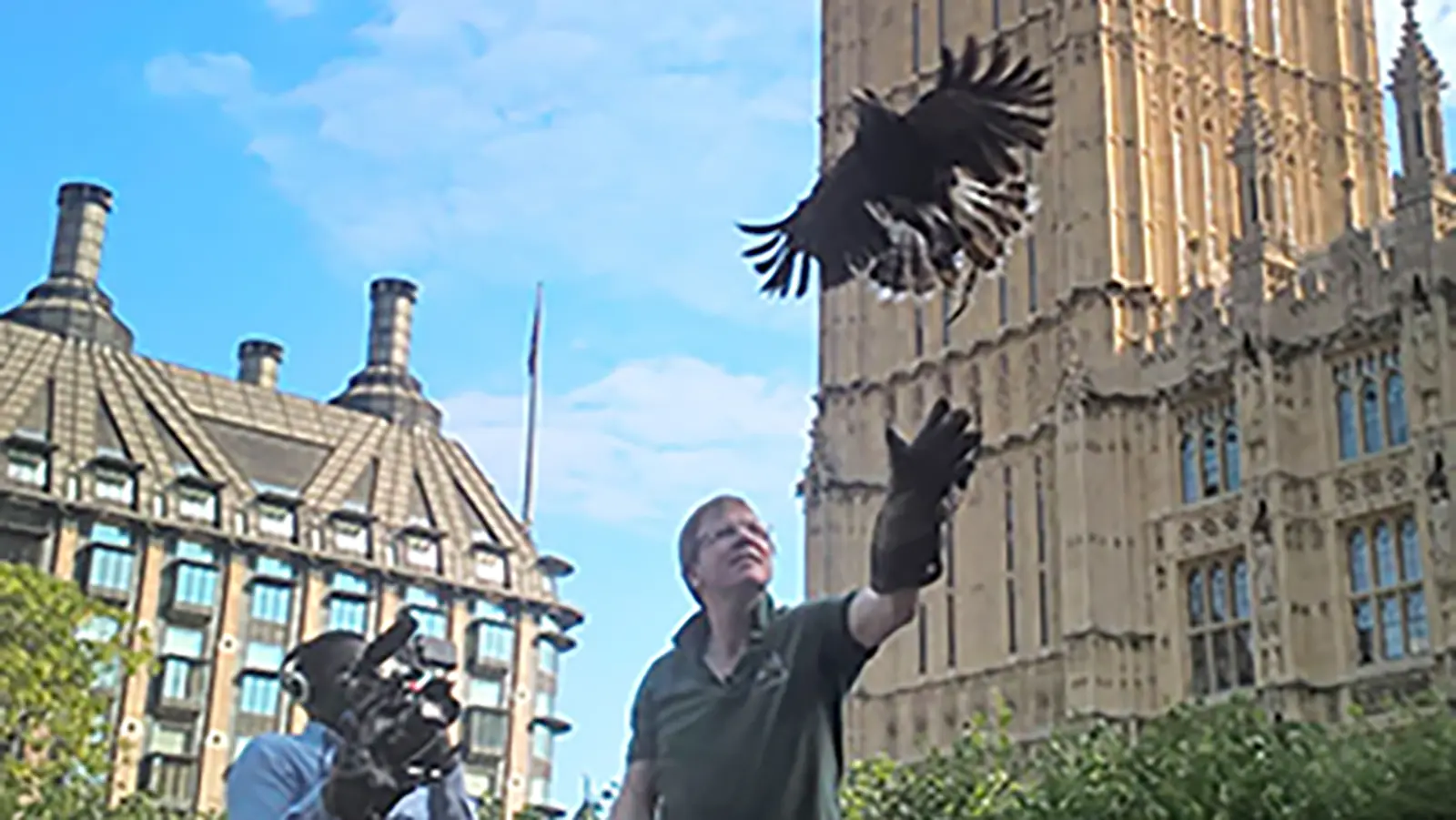
Our experienced falconers fly trained hawks to naturally scare pest bird species such as pigeons, gulls, geese, crows, and ground-nesting birds like lapwings. When appropriate, we may incorporate drone technology to enhance the deterrence by covering larger areas or providing additional visual disturbance. The combined presence of live raptors and, if needed, supplementary technology, creates a highly effective deterrent that prevents birds from habituating to static solutions. Routine visits and occasional supplementary measures help maintain ongoing control.
-
-
-
-
-
-
- humane
- environmentally friendly
- effective pest control methods
-
-
-
-
-
Species We Deter
Our hawk flying bird control services target a variety of pest bird species, including:
-
-
-
-
-
-
- Pigeons
- Gulls
- Geese
- Rooks
- Crows
- Ground-nesting birds such as lapwings
-
-
-
-
-
This approach can be tailored to specific sites and bird species, ensuring maximum effectiveness.
Why Choose Our Hawk and Bird Deterrent Service
- Humane and Natural: Using live birds of prey to deter nuisance birds, with optional support from technology to increase effectiveness.
- Flexible Approach: We adapt our methods to each site, incorporating drones or other tools as needed.
- Qualified Team: Our falconers are fully trained and certified, with extensive experience in urban bird control.
- Trusted Birds of Prey: All our hawks and falcons are domestically bred, trained as working birds, and used solely for pest control.
- Public Confidence: Our responsible, humane approach aligns with public expectations and regulatory standards.
Our Falconers and Hawk Handlers
All falconers undergo falconry training leading to a formal Lantra Falconry award, which is approved by the Hawk Board. In addition, they complete extensive training in all aspects of bird control. Staff are well spoken, carry identification and neatly presented in a uniform. They are fully aware of legal aspects and sensitive to public opinion.
Our Birds of Prey
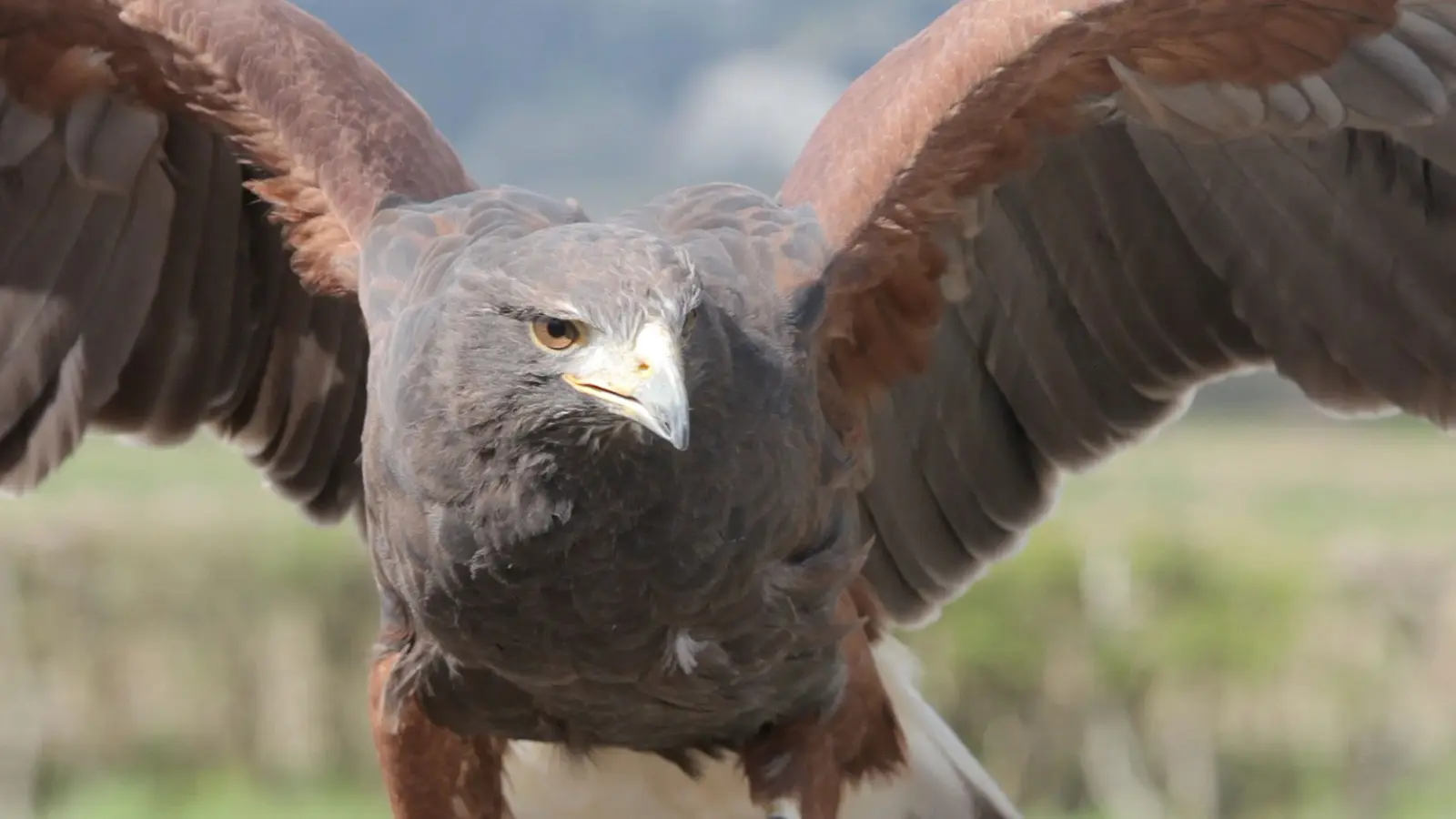
All of the hawks and falcons flown by A & M Hawk UK are domestically bred; company owned; never used for hunting; and specifically trained as working birds. They are deployed exclusively for nuisance bird control, and are accustomed to flying in urban and working environments. They are undisturbed by the presence of the public, machinery or vehicles, and concentrate fully on their work, looking only to their handler for direction and reward. This is important, and is one of the differentiating factors between A & M Hawk UK and some other companies offering hawk flying in urban environments. Only hawks that have been specially trained as working birds should be used for urban bird control.
The welfare of our birds of prey is of paramount importance to all of us at A & M Hawk UK.
Bird of Prey Welfare Policy
All falconers at A & M Hawk UK are fully committed to providing a quality service to our clients whilst upholding the highest standards of integrity with regard to our working birds. As valued members of the team, their needs are always considered above those of the business.
Transportation
When being transported, our birds of prey are secured in a travelling box designed specifically for this purpose. This ensures that they are transported safely.
Exercise and Nutrition
Our birds of prey are flown daily, weather permitting – and a member of staff is assigned to this task to ensure that all our birds remain fit and well exercised even if they are not working. We have gained permission from several local landowners to fly our birds of prey over their land for exercise, which means that we always have a place to fly them. The birds are fed a varied diet, which is sourced from a reputable supplier and their daily food intake is recorded to ensure that they are receiving the correct nutritional balance.
Accommodation
The birds are housed in clean, airy accommodation, which has been built to our own specifications. They are free-lofted, which means that they are not tethered at all, and they have permanent access to fresh water. Each aviary has a variety of perches, which enables our birds to rest wherever they prefer, and to move around freely. The large, meshed front and rear ‘windows’ allow in plenty of light and air, whilst affording the hawks and falcons views in at least two different directions. The accommodation is set amongst trees and plants, which give our birds something interesting to look at. At night our birds of prey are transferred to a secure locked unit.
Common Pest Species
The humble pigeon. Originally bread for food. Sometimes called “rats with wings” which is a bit unfair, there is not doubt they can be quite a colourful bird.
They mostly nest on ledges not in trees so this means flatish surfaces so buildings are a favoured spot.
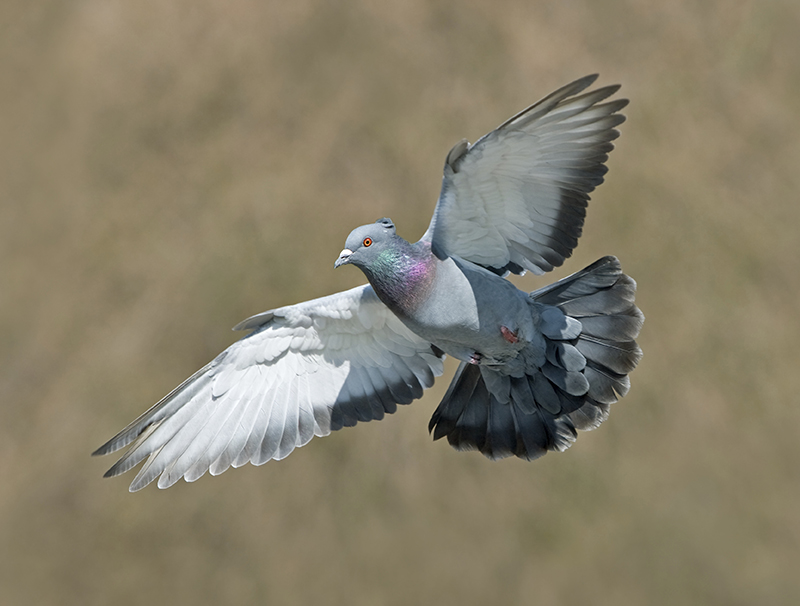
Flying pigeon
This gull is probably the most common gull seen in the towns, particularly London. Its quite a large gull which can be frieghtening as they dive in when they are protecting their nests and young. Although not a bird of prey they can and will kill other birds for food, there are plenty of video’s around of them klling and eating pigeons for instance.
They nest on flatish surfaces so roofs or open plantrooms for instance. Because of their aggression they can be a big problem during their nesting season.
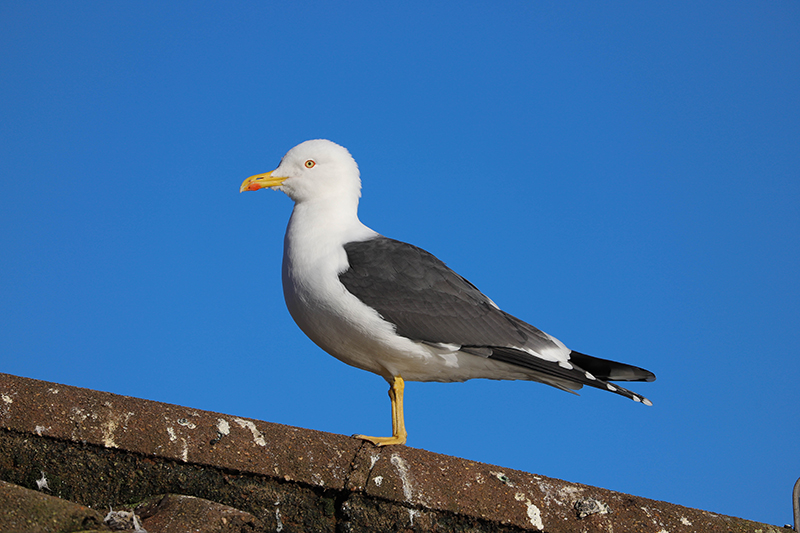
Greater Black Backed Gull (Larus marinus)
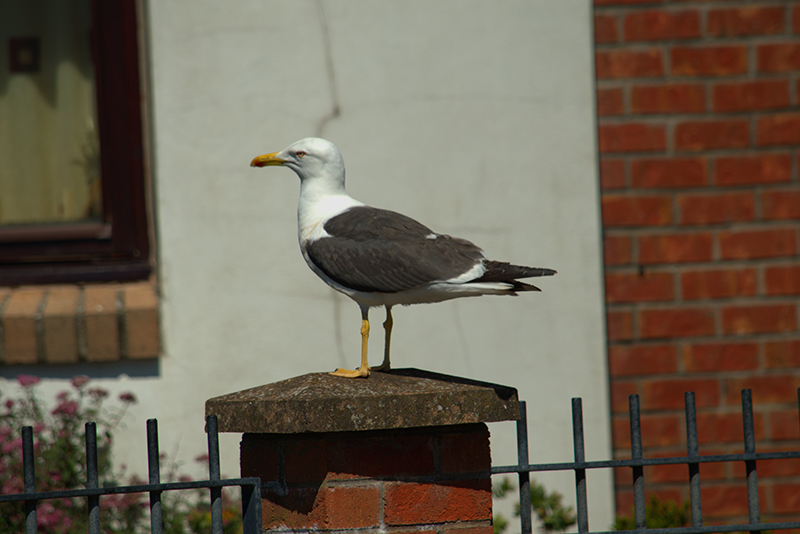
lesser black-backed gull
Smaller than the grester black-backed gull, and not so common, they are still quite intimidating.
Again as with most gulls nests on flatish surfaces.
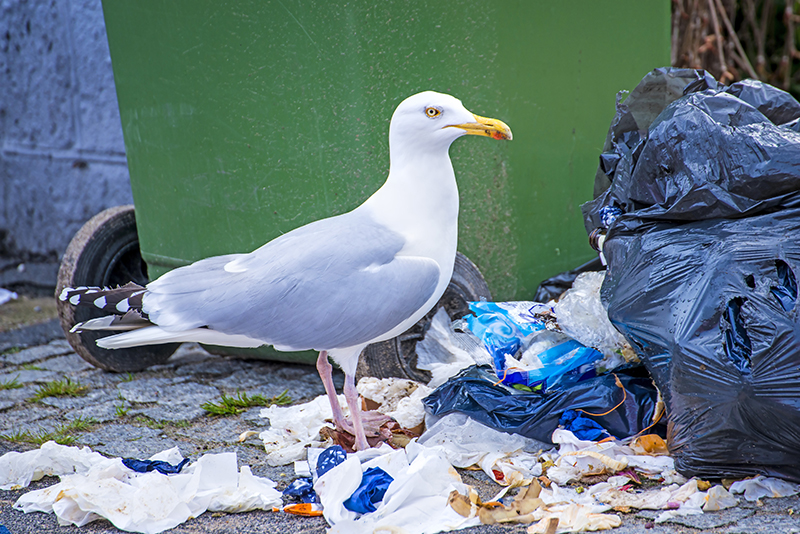
Herring gull looking for waste
The biggest of the gull family.
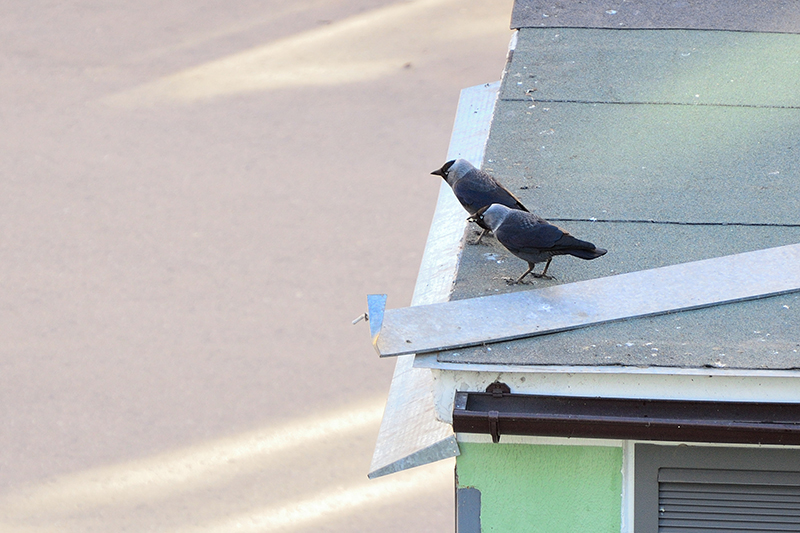
Two jackdaws
The most common of the crow family. They have hard beaks which can cause damage to buildings. Also have been known to pick up pebbels from roof tops and drop them over the side. These are typically the ones that drop down chimneys, fitting a chimney guard easily solves this.
They are quite social and will nest in the tops of trees in large numbers.
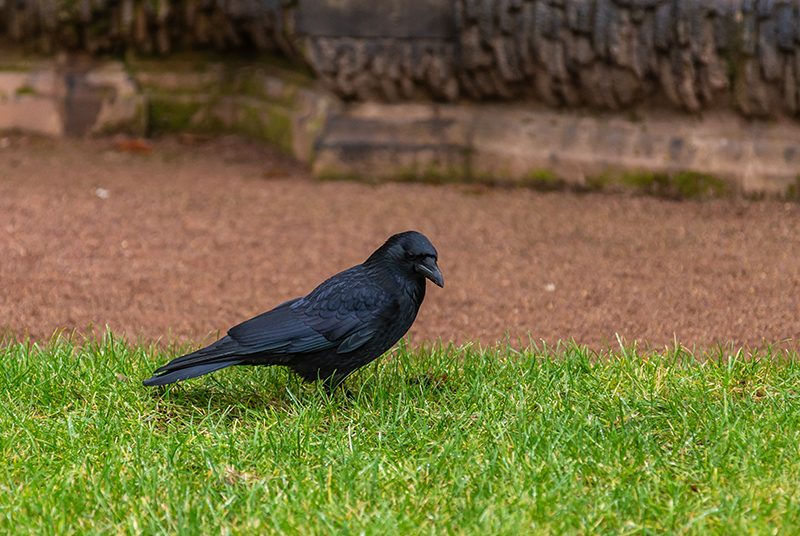
Carrion Crow
Larger than the Jackdaw and tends to be solitory or in pairs.
Canada geese can be a problem at nesting times where they come too close, or it can be the guano they produce that causes slip hazzards. They also might cause a problem if you have an airport near you.
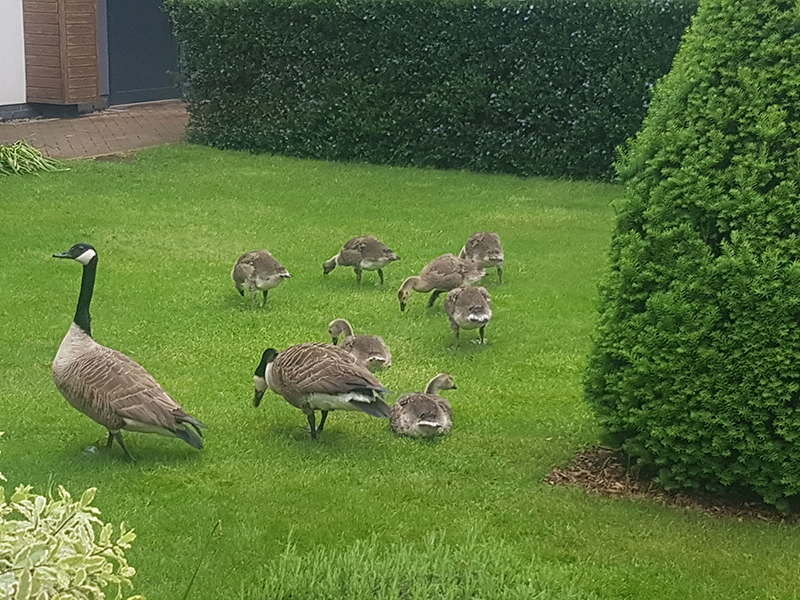
Canada geese